The 3rd Nordic Biomathematics Meeting
3–4 December 2026
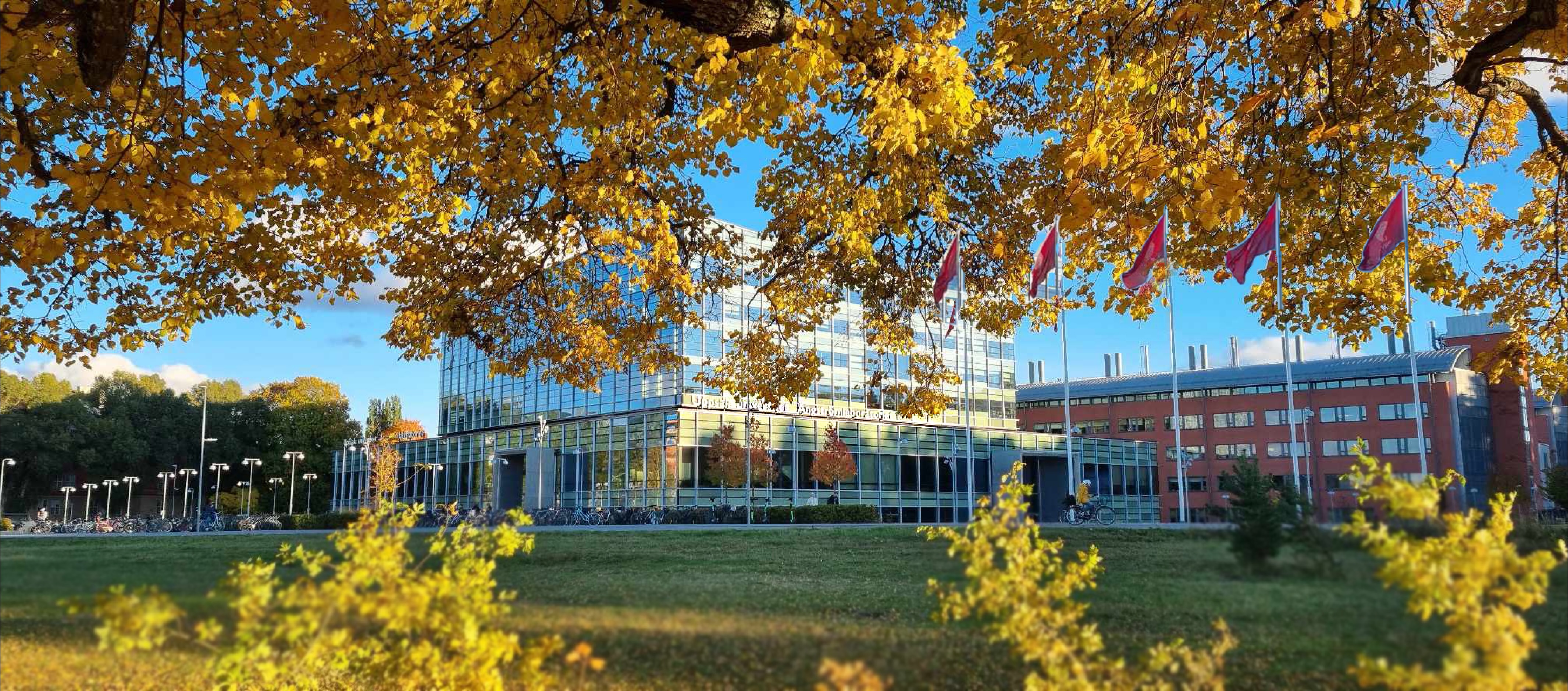
Ångströmlaboratoriet, Uppsala University, Uppsala, Sweden
3–4 December 2026
Ångströmlaboratoriet, Uppsala University, Uppsala, Sweden
| Home | Programme | Speakers | Abstracts | Registration | Hotels | Venue | Organisers |
The meeting will bring together researchers across the Nordic countries and is open to researchers at all career stages working in biomathematics and related areas of applied mathematics, statistics, and theoretical biology. It aims to foster scientific exchange and collaboration across institutions and research areas.
| Dates | 3–4 December 2026 |
| Location | Ångströmlaboratoriet, Uppsala University, Uppsala, Sweden |
| Organisers | Sara Hamis and Linnéa Gyllingberg |
| Registration | Closed. Confirmation emails have been sent to all participants who secured a place. |
| Abstracts | Closed. The scientific committee is currently reviewing submissions; outcomes will be communicated by the end of September 2026. |
| Fee | The meeting is free of charge. |
| Funding | Supported by the Wenner-Gren Foundations |
The meeting will begin at 09:00 on Thursday 3 December 2026 and end at 15:00 on Friday 4 December 2026.
The programme will include:
A detailed timetable will be published closer to the meeting.
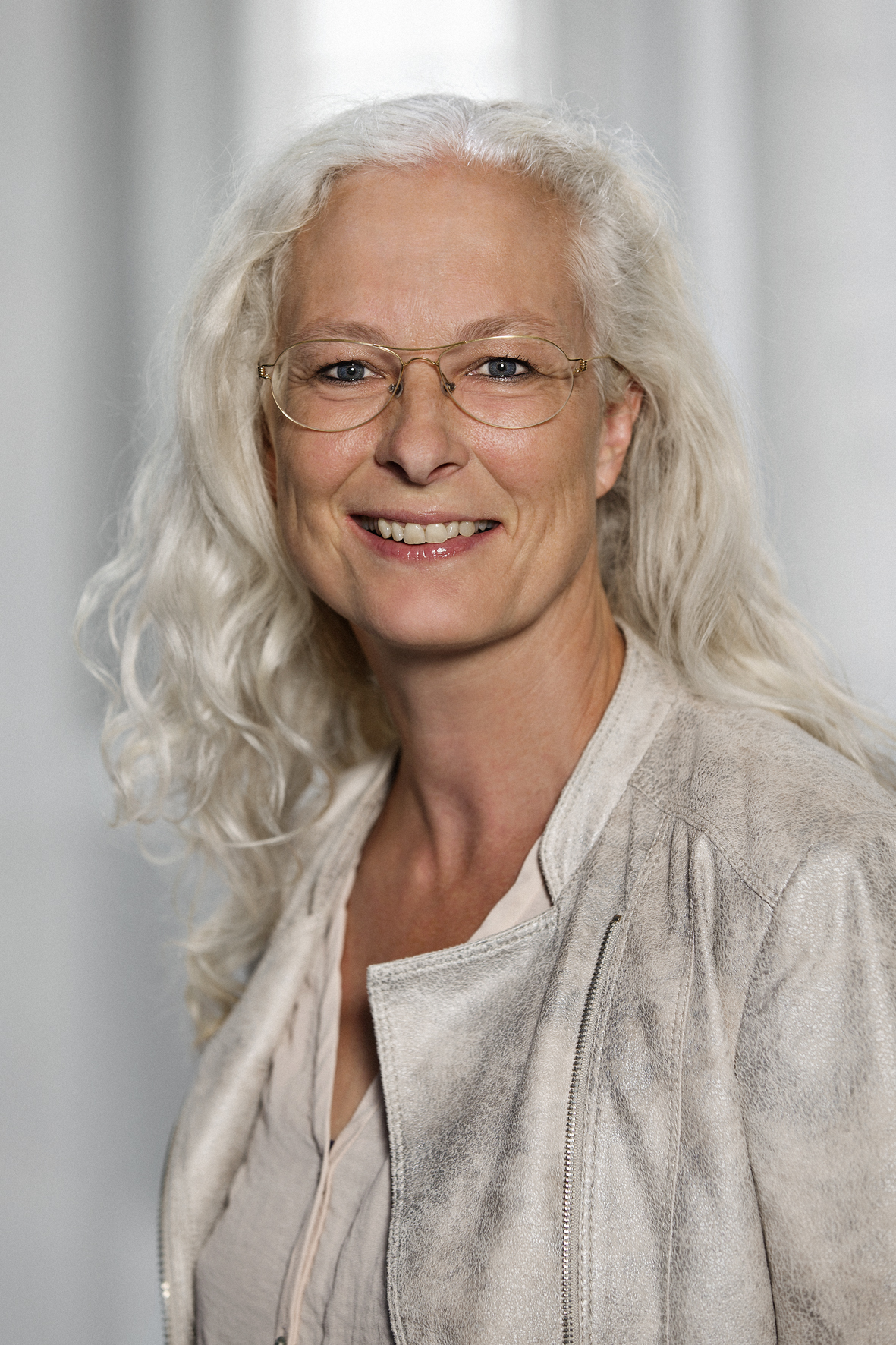
Susanne Ditlevsen, University of Copenhagen, Denmark
Susanne Ditlevsen is a Professor of Statistics at the University of Copenhagen and President of the Royal Danish Academy of Sciences and Letters. Her research focuses on stochastic processes, nonlinear dynamics, and statistical modelling, with applications in neuroscience, ecology, physiology, and climate science, among other fields.
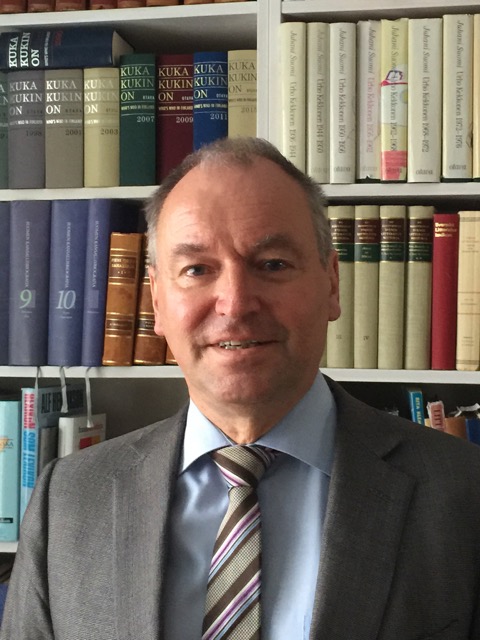
Mats Gyllenberg, Finnish Society of Sciences and Letters and University of Helsinki, Finland
Mats Gyllenberg is a Professor Emeritus at the University of Helsinki and Permanent Secretary of the Finnish Society of Sciences and Letters. His research centres on dynamical systems and mathematical biology, particularly structured population models, ecology, evolution, and adaptive dynamics.
Eric Libby, Umeå University, Sweden
Eric Libby is an Associate Professor at Umeå University and a member of the interdisciplinary research environment IceLab. His research uses mathematical modelling to study the origins of multicellularity, microbial cooperation, life cycles, and new levels of biological organisation.

Stefano Sarao Mannelli, Chalmers University of Technology and University of Gothenburg, Sweden
Stefano Sarao Mannelli is an Assistant Professor in Data Science and AI at Chalmers University of Technology and the University of Gothenburg. His research combines machine learning, statistical physics, and cognitive science to study learning, generalisation, optimisation, and adaptation in machines and animals.
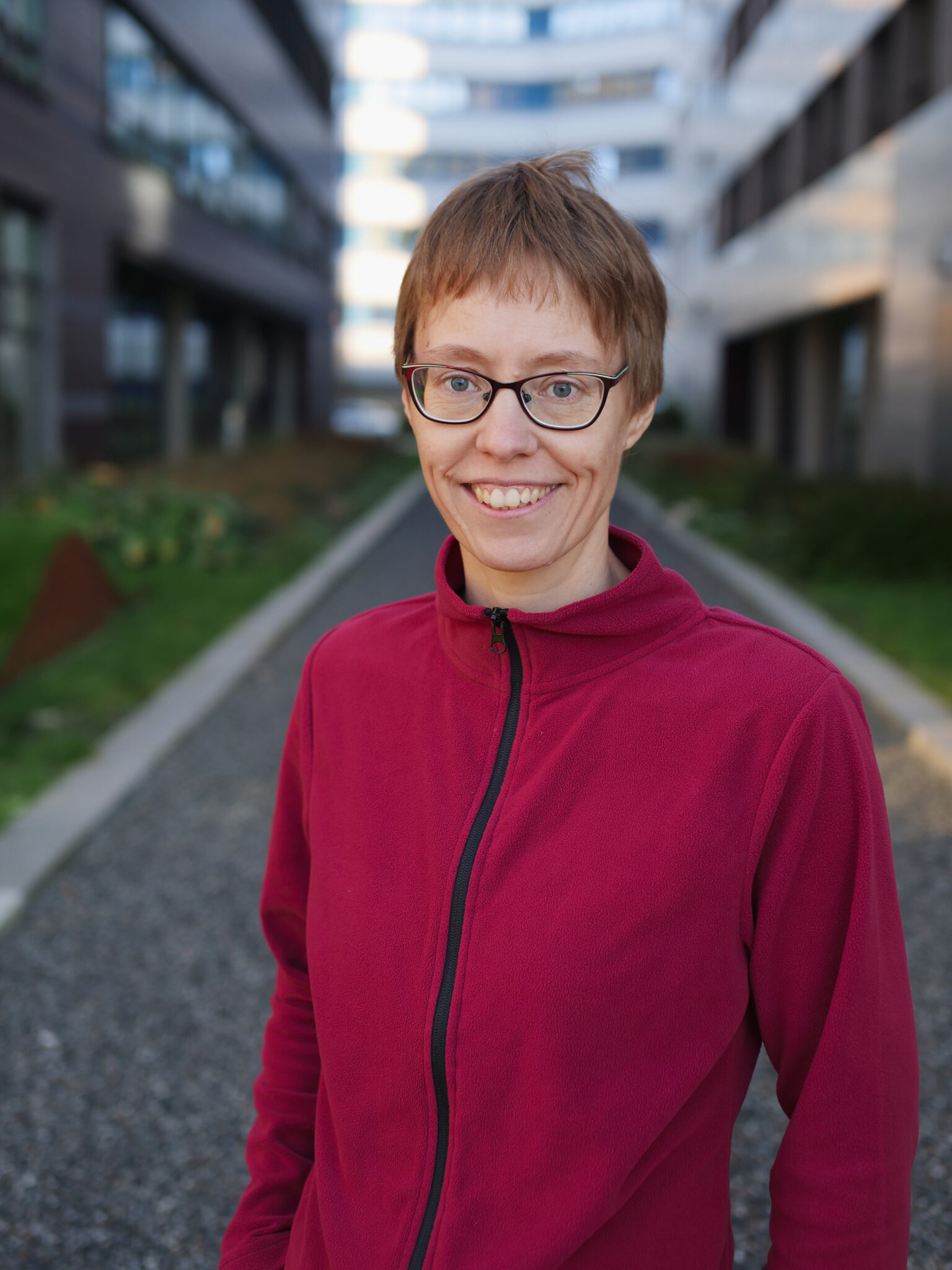
Susanna Röblitz, University of Bergen, Norway
Susanna Röblitz is a Professor at the University of Bergen and a group leader at the Computational Biology Unit. Her research focuses on the modelling, analysis, and simulation of dynamical systems in the life sciences, particularly stochastic gene regulation and hormonal dynamics.
Abstract submission is now closed.
Our scientific committee is currently reviewing the submitted contributions. If you submitted a contribution, you will be informed of the outcome by the end of September 2026.
Registration is now closed. Thank you to everyone who registered.
Confirmation emails have been sent to all participants who have secured a place at the meeting.
There are few hotels close to the conference venue, Ångström Laboratory. The following options offer a range of locations and accommodation types. Walking times are approximate.
Near Uppsala Cathedral and the castle, approximately 15 minutes’ walk from Uppsala Central Station and 30–35 minutes’ walk from the venue. Alternatively, take bus 12 from Kyrkogårdsgatan to Polacksbacken, or bus 1 to Regementsvägen, a short walk from Ångström Laboratory.
One of the closest hotels to the venue, approximately 10–20 minutes’ walk from Ångström Laboratory and 15 minutes’ walk from Uppsala Central Station. Bus 12 also stops near the hotel and runs to Polacksbacken.
Beside Uppsala Central Station, approximately 2 minutes’ walk from the station and 40 minutes’ walk from the venue. Alternatively, take bus 4 from the station to Polacksbacken.
An affordable option offering both hotel and hostel rooms, approximately 2 minutes’ walk from Uppsala Central Station and 35–40 minutes’ walk from the venue. Alternatively, take bus 4 from the station to Polacksbacken.
The meeting will be held at Ångströmlaboratoriet, Uppsala University, Uppsala, Sweden.
Uppsala is easily reached from Stockholm Arlanda Airport by train or by bus (approximately 20 or 40 minutes) and from Stockholm Central Station by train (approximately 40 minutes). Further travel information will be added here.
See the Hotels section above for recommended accommodation near the venue.
The 3rd Nordic Biomathematics Meeting is supported by the Wenner-Gren Foundations.